 By
By 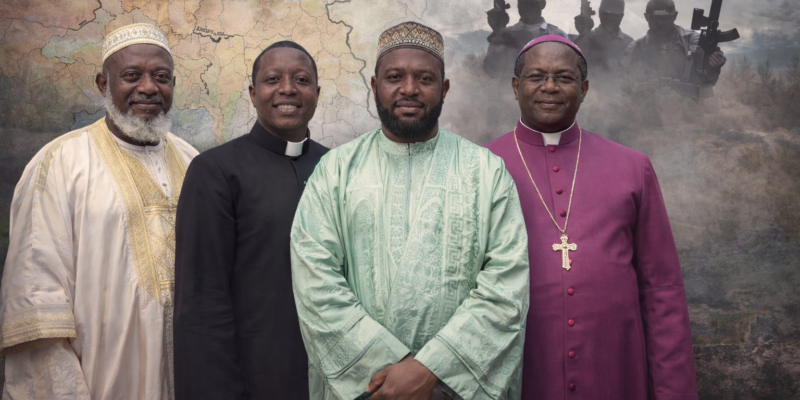
Introduction
Non-state actors such as religious leaders play significant role in peacebuilding, the prevention and countering of violent extremism and terrorism (PCVET). They are part of civil society actors who are contributing to a “whole of society” efforts to prevent and counter violent extremism and terrorism (VET) through various initiatives including community resilience building and deradicalisation programmes. Religious leaders are trusted actors who have demonstrated the ability to manage and prevent violence effectively by countering hate messages, facilitating information sharing and providing reassurances. For example, in the early phases of the war on terror in Pakistan’s Swat and Dir valleys, local religious leaders helped to build community resilience against VET by supporting bonding and bridging within the communities and mobilising them for collective action. They played significant role in the dissemination of state initiatives, preservation of cultural characteristics and countering radicalism, extremism, and terrorism. Similarly, in the Kano State of Nigeria, religious leaders contributed to fostering inter-faith dialogue towards de-escalating the Boko Haram insurgency. Their engagement with local communities supported the prevention and countering of Boko Haram activities, indicating the importance of partnership with religious leaders in programming and responding to VET effectively.
While Nigeria’s experience especially highlights the value of community–religious partnerships in countering violent extremism, Ghana requires similar partnership because its northern regions face high risks of VET. The northwestern region of Ghana, located near Sahelian nations, is a security hotspot due to its proximity, porous borders, socioeconomic deprivations, marginalisation, limited access to essential services, and communal violence. The region also lacks adequate state presence and is vulnerable to cross-border criminal activities like smuggling, illegal mining, and cattle rustling. Despite the establishment of forward operating bases and deployment of security forces in the region to counter VET, studies show that securitisation alone is insufficient. Religious leaders in northwestern Ghana support state efforts by mediating conflicts and mobilising communities to build resilience against VET threats. However, research has arguably not sufficiently explored their localised roles in VET prevention efforts. It is within this context that this article explores the role of religious leaders in PCVET within northwestern Ghana’s border communities, offering practical entry points for policymakers and practitioners to effectively integrate them as equal partners in VET programming and response. The article is based on qualitative data gathered through key informant interviews with five (5) Christian and five (5) Muslim religious leaders, supported by secondary data from a review of online resources. The article positions religious leaders as peacebuilders, emphasising the need for state partnership with them. It also discusses the various activities religious leaders engage in to support PCVET efforts.
Religious Leaders as Peacebuilders
Religious leaders are clergy with high spiritual authority, trust, credibility and legitimacy in influencing the spiritual and physical needs of their communities. They are messengers of God’s word who provide spiritual support and guidance to their communities. Religious leaders have influence in promoting social change, awareness creation and education on issues like health and sustainable development, HIV/AIDs prevention, and conflict prevention. A 2024 study by Ibrahim et al. shows that although religion can lead to conflicts and violent extremism, it can also be a tool or pathway for promoting peace and justice. Some religious leaders are active peacebuilders, playing multifaceted roles in peacebuilding processes including preventive, reactive and transformative functions. They serve as mediators, reconcilers, and peace advocates, incorporating spirituality in the understanding of peace. In Africa, the activities of the Inter-Religious Councils in Uganda (IRCU), Liberia (IRCL), Sierra Leone (IRCSL) and the Nigerian Clerics in the fight against Boko Haram are instances of how religious leaders have become a force for peace, engaging in election observation, peace campaigns, public denunciation of VE, engagement with local youth to prevent radicalisation and providing support to internally displaced persons (IDPs).
In Ghana, religious leaders of the Christian Council of Ghana, Catholic Church, Ahmadiyya Muslim Mission and the Assemblies of God Church among others mediate conflicts and engage in peace education, dialogues, capacity building and conflict prevention. Religious leaders such as the National Chief Imam, Sheikh Osmanu Sharubutu, uses diplomacy, and religious and social capital to foster interfaith dialogue and cohesion, and prevent violent conflicts including intra-Muslim conflicts. For example, in July 2022 the Chief Imam collaborated with the Ghana Catholic Bishops’ Conference (GCBC) to organise a Muslim-Christian dialogue to promote peace, stability and religious tolerance. Religious organisations like Caritas, Catholic Relief Services, Islamic Relief and the Bible Society of Ghana are deepening grassroots peacebuilding by offering mediation and conflict resolution training and implementing trauma healing initiatives such as a trauma-healing mobile App that incorporates biblical and mental health principles. The Ghana Catholic Bishops’ Conference is implementing the Sahel Peace Initiative to prevent the spread of violent extremism in Ghana and the Sahel region. The initiative aims to: promote interreligious, intergenerational, and intercultural dialogue to encourage tolerance and mitigate tensions; enhance security and social cohesion; advance socioeconomic development; support environmental sustainability; strengthen humanitarian responses; increase advocacy and awareness against VET; and address gender-related issues.
Furthermore, religious leaders’ doctrinal traditions, effective control of messaging, organisational capacity, and audience receptivity influence their engagement in peacebuilding. They are therefore recognised as important sources of information, trust, and influence in preventing and countering violent extremism and terrorism. They are partners in PCVET and actively participate in various roles including education, training, advocacy, reconciliation, mediation, and facilitating dialogue with government entities. As a result, the United Nations Development Programme is working to enhance the capabilities of religious actors to foster social cohesion, tolerance, and non-violence while positioning them as local mediators. This reflects a broader shift from a state-centric approach to a whole-of-society strategy in PCVET, emphasising the leadership and implementation of resilience-building initiatives by religious leaders.
Overall, religious leaders play a critical role in peacebuilding across all three levels identified by John Paul Lederach in 1997: grassroots, middle-range, and top leadership. They are positioned to facilitate peace agreements, provide institutional support, and foster community trust. Lederach’s peacebuilding pyramid illustrates how these levels interact and contribute to the sustainability of peace, emphasizing the importance of leadership presence at each tier in the peacebuilding process.
Overview of VET in Northwestern Ghana
Northwestern Ghana, located in the upper-left quadrant of Ghana, shares international borders with Burkina Faso and Côte d’Ivoire and serves as a hub for cross-border trade. It borders the Savannah Region to the South and Upper East and North East Regions to the East. While Ghana has not experienced VET attacks, its northern border regions like Northwestern faces high risks. Northwestern Ghana borders Burkina Faso, which is affected by VET activities linked to groups like Jama’at Nasr al-Islam wal Muslimin (JNIM) and Islamic State in the Greater Sahara (ISGS). There is increased insecurity along Burkina Faso-Ghana border, influx of irregular migrants in border communities due to escalating attacks by JNIM and other VET groups. The region’s vulnerability to VET is also underscored by cross-border movement of armed groups, arms, radical ideologies, and attacks in northern Togo and Benin. These risks are compounded by local vulnerabilities such as marginalisation, youth unemployment, poverty, limited state presence, limited access to essential services, weak border security, unapproved routes, and communal conflicts. These factors have increased youth susceptibility to recruitment by VET organisations. Communal violence and tensions related to land, intra-sectarianism and farmer-herder relations in the region provide entry points for VET organizations. Such tensions in the Sahel are often exploited by JNIM and ISGS to expand. Northwestern Ghana is also facing cross-border criminal activities like smuggling, illegal mining, trafficking of illicit goods, substances and arms, and cattle rustling. A 2023 study by UNDP Ghana indicate that border communities like Hamile, Tumu, Gwollu, Wechiau, Charikpong, Dorimon, and Babile are routes for illicit trade and smuggling of grains, petrol, fertilizer, motorbikes, cars and clothes. JNIM, associated criminal networks, and Burkina Faso’s Volunteers for the Defense of the Homeland (VDP) use the region as a point for trafficking rustled cattle and facilitating financial flows.
Sacred Voices in Action against Violent Extremism and Terrorism
Religious leaders act as sacred voices against VET in northwestern Ghana by creating awareness, keeping vigilance, monitoring and sharing of early warning information, and providing safety nets to protect vulnerable persons from extremist recruitment and radicalisation.
Education, awareness creation and sensitisation
Religious leaders in northwestern Ghana create awareness and educate congregants about VET tactics and the need to monitor and report suspicious actors and activities in their communities to the security agencies. They use their pulpits to advise their congregants to resist extremist messages and narratives. They construct counter-VET narratives using theological messages that foster peaceful coexistence, delegitimise violence and position VET as moral deviation. In doing so, religious leaders turn their sermons into messages against VET, preaching peace, tolerance, justice and forgiveness, and using their sacred voices against support or tolerance of violence. In the Nandom Municipality, Islamic clerics interviewed reported advocating against VET and social vices like stealing, fighting, smoking, and illicit substance consumption. They use Sahelian nations as examples during religious and festive gatherings to educate communities and the youth about the harmful effects of VET and the need to resist VET ideologies and activities. Border community members also receive education from religious leaders on managing social and economic ties with Sahelian nations, aiming to prevent the infiltration of VET elements into their communities. Some religious leaders indicated in the interviews that civil society organizations (CSOs) like Teen Talk Ghana, along with state institutions such as the National Commission for Civic Education (NCCE), have provided capacity-building training focused on increasing awareness of VET. According to religious leaders, those trainings have empowered them to raise awareness among their congregations regarding the threat of VET. For instance, a Pastor in Lawra municipality indicated in the interview that capacity-building training offered to both Christian and Muslim leaders by NCCE in 2024 has enabled them to effectively create awareness and sensitize their church community about VET.
Sharing early warning information with security
Religious leaders play a crucial role in community safety by monitoring and reporting suspicious activities to security authorities. The interviews revealed that these leaders actively report the presence of strangers and share early warning information from community members to enhance security intelligence against VET. Islamic leaders, particularly in Nandom municipality, have emphasized the importance of vigilance, especially with the increase in migrants from the Sahel region, and have encouraged community members to report suspicious individuals to security services or opinion leaders. The interviews also revealed that these leaders also report youth engaged in social vices like stealing, smoking, and fighting that threaten peace to security authorities. Furthermore, a Catholic Priest in Hamile disclosed that two locals have been trained by Catholic Church with technology to track border activities and relay information to a centralized system for developing response strategies. However, a study by Kuupiel and Aubyn indicates some border community members in areas like Wa West refrain from reporting suspicious incidents due to mistrust of state authorities. This underscores the necessity of building community trust for effective cooperation in combating VET.
Bridging for peace and fostering social cohesion
Religious leaders in northwestern Ghana contribute to preventing VET in border communities by promoting trust, cooperation, and mutual understanding among various ethnic and faith groups. Ongoing land conflicts between the Sissala and Dagaaba ethnic groups in Lambussie and Sissala West District have led to fatalities and increased vulnerability to VET. In response, these leaders engage in peace advocacy efforts that emphasize tolerance and the necessity of peaceful coexistence. For example, a Pastor from the Church of Pentecost in Piina encourages his congregation to respect diverse faith practices, while Islamic leaders in areas like Nandom promote attitudes of intra- and inter-sectarian tolerance. Research indicates that strong social cohesion enhances community resilience to VET, making it harder for extremist elements to exploit local tensions for recruitment and radicalization. Cohesion groups, formed from representatives of various religious and ethnic backgrounds, have been established in border areas like Nandom, Hamile, and Fielmuo among others, to foster peaceful coexistence. Some of these groups include the Christian-Muslim Dialogue Committee by the Wa Diocesan Interreligious Dialogue Commission and Inter-Party Dialogue Committee by the NCCE in Nandom municipality. A Catholic Priest noted that these committees aim to reduce tensions and enhance relationships, tolerance and solidarity among different identity groups to bolster community resilience against VET. Additionally, the Catholic Church conducts cross-border peace education and mediation to strengthen ties and foster mutual trust between communities in Ghana and Burkina Faso.
Ensuring Vigilance
Religious leaders in border communities of Northwestern Ghana remain vigilant against VET threats targeting religious centres, events, and groups. Experiences in the United States and the Sahel shows that VET targets religious centres. The interviews revealed that the influx of migrants from Sahelian countries have led to concerns in border areas about potential infiltration by VET elements concealing their intentions under the guise of scrap dealing. To mitigate risks, religious leaders encourage members to monitor their neighborhoods and report suspicious activities, particularly during gatherings. For instance, Islamic leaders promote vigilance during community events, while church ushers are instructed to observe attendees and report any suspicious behavior during services. Some churches also assign individuals to maintain vigilance outside during celebrations. A Catholic priest reported that the parish’s vigilance protocols led to the successful removal of an individual who entered the Hamile Parish premises while armed with a gun. This proactive approach is underscored by their belief that vigilance is essential for identifying early warning signals of VET. Nevertheless, religious leaders face challenges due to lack of security resources, such as metal detectors and body scanners, which hampers their ability to ensure adequate safety during worship. Consequently, they recognize the necessity of mobilizing resources to bolster security measures for their communities and places of worship.
Providing humanitarian assistance and Preventing VE recruitment and radicalisation
Experiences of the Liptako-Gourma region (Burkina Faso, Mali, Niger) shows that extremist recruitment and radicalisation target vulnerable people including displaced persons, unemployed youth, and impoverished communities. A study by CDD-Ghana and GCERF indicates that these vulnerabilities are present in northern Ghana and provide entry points for extremist recruitment and radicalisation. To prevent this, religious leaders of the Catholic Church in northwestern Ghana in partnership with Caritas Ghana and United Nations Development Programme (UNDP) created the Zini Refugee Camp to provide protection and dignified living for vulnerable people displaced by VET attacks in the Sahel. According to a Catholic Priest, this has helped to prevent refugees from being exploited, recruited, radicalised, and used by VET elements to further their course within the country. Through the Sahel Peace Initiative, the Catholic Relief Service also provide humanitarian support to populations fleeing from VET attacks in Burkina Faso including food, healthcare and access to education as well as promote peaceful coexistence and community resilience.
Providing capacity-building for youth, women and community watchdog groups
Ignorance of VET activities is a major vulnerability factor. Based on this understanding, Religious leaders in northwestern Ghana have also offered peace education training to the youth, women, and watchdog groups in border communities on VET dangers and tactics, as well as monitoring suspicious activities and actors for timely response. A Catholic Priest indicated that they teach these groups nonviolent dispute resolution methods in border communities like Gwollu, Fielmuo, Lambussie, Hamile, Ketuo, Babile, and Lassie-Tuolu, promoting peaceful coexistence and reducing vulnerability to VET. The training also covers tolerance, vigilance against violent extremism and civic responsibility.
Some Challenges constraining PCVET Efforts
Religious leaders in the Northwestern borderlands of Ghana have reported significant challenges in their ability to effectively prevent and counter VET. They have limited logistics, resources, support, and capacity, which severely limits their contributions to PCVET efforts. Experiences from Mombasa and Mandera counties in Kenya indicate that inadequate support and limited capacities significantly hinder the efforts of religious leaders in addressing VET. The interviews also revealed the lack of sufficient security presence at worship centers, and essential security tools such as body scanners and metal detectors for screening individuals accessing their facilities. The lack of adequate security measures at religious centres highlights the urgent need for religious leaders to bolster the security preparedness of their organisations.
The interviews also revealed that religious leaders have inadequate financial resources to implement VET prevention programmes, severely constraining their outreach capabilities within local communities. Additionally, many religious leaders possess limited training and knowledge concerning VET programming and response, relying predominantly on their religious authority, trusted status and deep community connection to advocate for peace, justice, and tolerance in local communities. There is therefore a critical need to enhance the capacity of religious leaders to foster dialogue, promote social cohesion, and cultivate a spirit of tolerance and solidarity in local communities. Strengthening their capabilities is essential not only to prepare communities but also to decrease their vulnerability to VET.
Religious Leaders as Strategic Partners Now and in the Future
Religious leaders in northwestern Ghana border communities can act as frontline resilience agents by initiating and supporting community-based efforts to raise awareness about VET, build local capacity, promote vigilance, encourage reporting of suspicious activities and protect vulnerable individuals from radicalisation. They can use their sermons and community outreach to support the state and other actors to delegitimise extremist ideologies and foster a culture of peaceful coexistence in communities. They can also help to enhance PCVET efforts by fostering trust, cohesion and cooperation within and between communities and identity groups, which helps to reduce communities’ vulnerability to radicalisation regimes. Furthermore, religious leaders can use their trusted status, deep community connection and effective communication skills to foster trust and cooperation between local communities and state actors in the fight against VET.
It is therefore important to for the government and state agencies particularly the National Counter-terrorism Fusion Centre to strengthen the capacity of religious leaders and treat them as partners in building resilience against VET. Since religion and religious ideologies are among the major drivers of violent extremism and terrorism, religious leaders need to be actively involved in the designing, programming and implementing VET responses. Partnering with religious leaders and other stakeholders/actors ensures a whole-of-society approach against VET. A whole-of-society approach enhances the monitoring, detection, deterrence and disruption of acts of VET. This requires localising the PCVET agenda in Ghana to harness local efforts, capital, and indigenous systems and knowledge to strengthen counter-VET efforts.
AUTHORS

Chrispin Mwinkyogtaa Kuupiel Ph.D. Candidate, Department of Peace Studies, School of Development Studies University of Cape Coast, Ghana |

Dr. Festus Kofi Aubyn Regional Coordinator Research and Capacity Building WANEP-Regional
|
Disclaimer: The views expressed in this publication are those of the authors and not necessarily those of WANEP. While every attempt has been made to ensure that the information published is accurate, no responsibility or liability is accepted for any loss, damage or disruptions caused by errors or omissions whether such errors or omissions result from negligence, or any other cause




Comments